
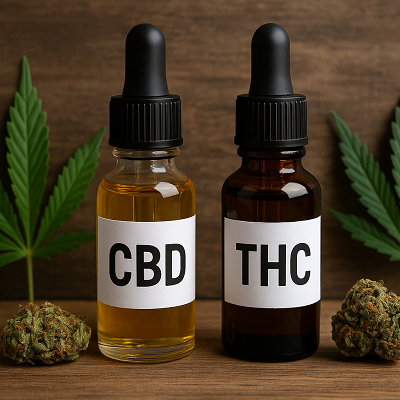
THC vs. CBD: How to Differentiate the Two for the Casual User
Cannabis is a complex plant comprising >100 identifiable cannabinoids, each with its unique therapeutic qualities. When examining cannabinoids, CBD and THC are the most discussed from both a science and demand standpoint. Though derived from the same plant, cannabinoids produce different physiological effects on the body, experience different legal restrictions, and have different cultural perceptions. From a casual user perspective, simply being able to differentiate the two cannabinoids is less about the science behind the cannabinoids and more of a pragmatic approach.
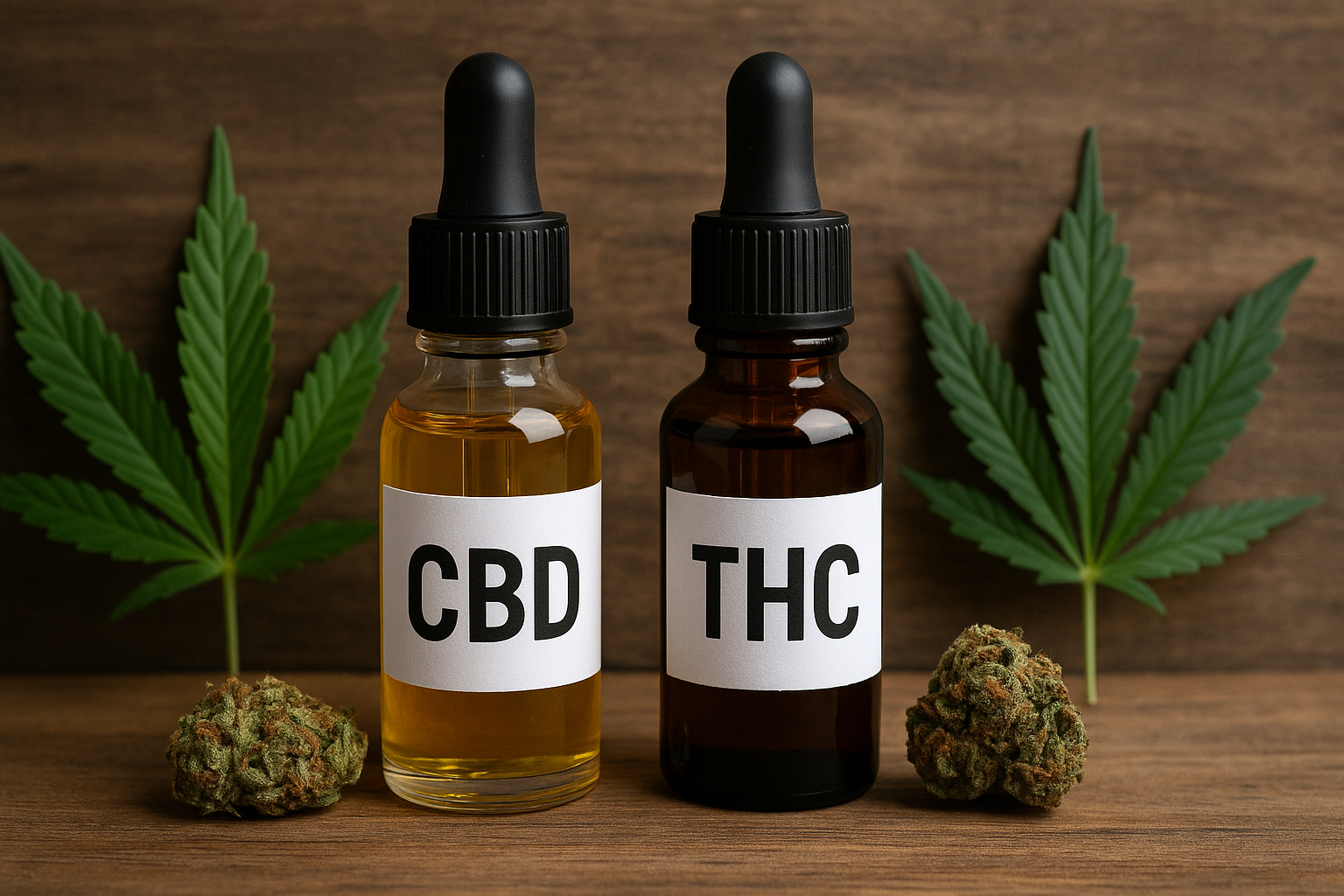
Pharmacological basis
At the most basic level, both CBD and THC act on the endocannabinoid system (ECS), which is a biological system of receptors and neurotransmitters to modulate functions including mood, pain, appetite, and sleep.
- THC is a partial agonist at the central nervous system (CNS) CB1 receptors present in the brain and limited others places. This receptor interaction promotes the commonly experienced psychoactive effects of cannabis: intoxication, euphoria, altered time perception, increased appetite, and in some instances anxiety or paranoia were experiencing.
- CBD has a more complex and indirect pharmacological interaction with a receptor system. Unlike THC, it does not activate CB1 receptors and instead is modulating various receptor systems, including serotonin and vanilloid receptors, with anti-inflammatory, anxiolytic, and potential neuroprotective properties; minus the intoxication.
This difference in interactions in how THC and CBD works explains how one source or product intoxicates while the other source or product is marketed for wellness.
The Functional Differences for Everyday People
For people consuming cannabis that is not being tested or trialed for a clinical purpose, the functional implications of these differences could be summarized as detailed below:
Feature | THC | CBD |
Psychoactive effect | Yes — creates euphoria and altered states of perception | No — non-intoxicating |
Primary applications | recreational and clinical, for example pain, nausea, and stimulating appetite | wellness, for example relieving anxiety, sleep, and reducing inflammation |
Legality (UK, 2025) | controlled substance under the Misuse of Drugs Act | legal from approved hemp and THC content <0.2% |
Side effects | Anxiety, dry mouth, impaired coordination | Mild tiredness, and very rarely, gut upset |
The Cultural Aspect
It would be overly reductive to only label CBD and THC as purely biochemical agents. Both have significant cultural and symbolic meaning.
- THC has retained its status as a symbol for the recreational cannabis community; e.g., it continues to be associated with counter-culture identity, the arts, and political resistance perspectives.
- CBD, however, has successfully migrated into wellness and lifestyle markets, surfaces in a variety of oils, teas, skin creams, and even shops on main-street.
In a way, this dichotomy has created a “cannabis bifurcation” (as described by some researchers); one path leading to normalisation through medical and lifestyle branding, the other continues to be subjected to stigma and criminalisation.
Research Based Evidence
Research is increasingly consistant in establishing that both CBD and THC have therapeutic potential, and therefore each in their specific domain.
- THC: Clinical research has consistently shown THC to be effective for treating nausea from chemotherapy, stimulating appetite when there is severe weight loss, and treating chronic neuropathic pain.
- CBD: The evidence for its use is strong in severe epilepsy presentations (e.g. Epidiolex for Dravet syndrome), with encouraging research around anxiety disorders, neurodegenerative disease and inflammation.
Interestingly, research also indicates that CBD may counteract some of the negative psychoactive effects of THC, so that together provide a compensatory effect- known commonly as the “entourage effect.”
Things to be aware of Risks
For most everyday consumers, Risks should be on par with Benefit Considerations
- THC related risks: Impairment of driving, impaired short-term memory, inducing anxiety at higher dosages, and in vulnerable populations, risk of exacerbated psychotic features.
- CBD related risks: Relatively low risk product, however some CBD related medications (for example those metabolized via the cytochrome P450 pathway) require caution for patients on other medication of higher complexity.
Considering the context of use is also extremely important. Benefits of moderated use, can easily be detracted via excessive use or in wrong context.
Everyday or Typical Use
For a typical consumer in the UK, the differentiation between CBD and THC will be evident in product selection and Context of use.
- CBD oil and capsules, are favoured as part of a wellness routine, like taking a vitamin and herbal supplements.
- THC products, where we’re legal, would be used with more intention with recreational uses, or to stimulate creativity or relieve immediate symptoms of pain.
The boundary of these two products, is, however starting to shift with hybrid products appearing – including THC on CBD products such as tinctures, typically dosed in terms of a ration – e.g. balanced THC:CBD ratio. Who hope to offer some therapeutic value with some mind altering intoxication e.g., valium vs valium in 200,000 miligrams.
Conclusion
CBD and THC are two sides of the same cannabis plant, each with their own pharmacological profile, cultural relevance, and clinical application. More so, both CBD and THC products offer exciting new alternatives for terms of use of cannabis. Knowing the respective differences of Each is not just a ‘fun fact’ but a survival strategy in terms of safe, smart, and efficacious end use.
THC, is and will always be the psychoactive face of cannabis. Conversely, CBD is an incorporation into socialized wellness practices. The future of cannabis products in the UK – and who knows maybe globally lies not in opposition to each other, but supporting of each other
“CBD and THC need not be in competition for legitimacy. They are essentially two discourses in the more expansive discourse of what cannabis means in and for modern society.