
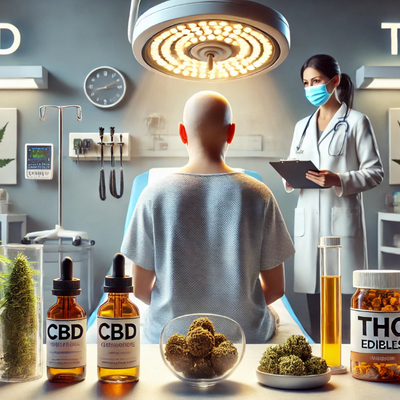
CBD vs. THC for Cancer Patients:
Which One Works Best?
Cancer patients face unique challenges requiring targeted therapeutic approaches. While both CBD and THC offer medical benefits, their mechanisms and effects differ significantly. Understanding these distinctions enables more effective symptom management and improved treatment outcomes through informed cannabinoid selection.

CBD’s Therapeutic Profile
CBD demonstrates remarkable anti-inflammatory and anxiolytic properties without psychoactive effects. It effectively manages cancer-related anxiety, depression, and inflammation through interaction with the endocannabinoid system. Research indicates CBD’s potential in reducing tumor growth and preventing metastasis, though these findings require further clinical validation.
THC’s Clinical Impact
THC provides powerful pain relief and appetite stimulation crucial for cancer patients. Its direct activation of CB1 receptors effectively controls severe nausea, chronic pain, and cachexia. However, THC’s psychoactive properties necessitate careful dosing and monitoring, particularly in elderly or sensitive patients.
Key Therapeutic Effects of CBD and THC:
- Pain Management: THC excels in acute pain relief, while CBD better addresses chronic inflammation
- Nausea Control: THC demonstrates superior antiemetic properties
- Appetite: THC significantly stimulates appetite, while CBD shows minimal effect
- Anxiety: CBD provides anxiety relief without THC’s potential paranoia
- Sleep: THC induces sleep more effectively, while CBD promotes natural sleep patterns
- Tumor Impact: Both show potential anti-tumor properties through different mechanisms
Optimal Application Strategies
Evidence suggests combining CBD and THC often yields superior results compared to isolated use. This “entourage effect” enhances therapeutic benefits while CBD moderates THC’s psychoactive effects. The optimal ratio varies by symptom profile and individual tolerance.
Individual Response Considerations
Patient factors significantly influence cannabinoid effectiveness. Age, cancer type, treatment protocol, and previous cannabis exposure affect response patterns. Regular assessment and dose adjustment ensure optimal symptom management while minimizing adverse effects.
Medical Integration Approach
Healthcare providers increasingly recognize the value of both cannabinoids in cancer care. Proper integration requires careful consideration of drug interactions, particularly with chemotherapy and pain medications. Regular monitoring helps optimize therapeutic benefits while ensuring patient safety.
Treatment Selection Guidelines
Selecting between CBD and THC depends primarily on symptom priority and patient preference. CBD proves optimal for patients prioritizing clarity and anxiety reduction, while THC better serves those requiring immediate pain relief or appetite stimulation. Combined approaches often provide comprehensive symptom management.
Future Research Directions
Ongoing studies explore specialized cannabinoid formulations targeting specific cancer symptoms and potential anti-tumor effects. This research may reveal optimal ratios and delivery methods for different cancer types and treatment stages, enhancing therapeutic outcomes.
Understanding the distinct benefits of CBD and THC enables more effective cancer symptom management. While both compounds offer valuable therapeutic properties, their optimal use depends on individual patient needs and treatment goals. Continued research and clinical experience will further refine their application in comprehensive cancer care.