
How Cannabinoids Affect Cancer Cells
The buzz around cannabis as a possible game-changer in cancer treatment has been picking up serious steam lately. With more eyes on how cannabinoids mess with cancer cells, scientists are diving deep into the tricky relationships between these compounds and dodgy tissues. Here’s a breakdown of how cannabinoids might be giving cancer cells a hard time, based on the latest research and key findings.
- by Marijuanaseedbank
- 3 minutes
The Lowdown on Cannabinoids and Cancer
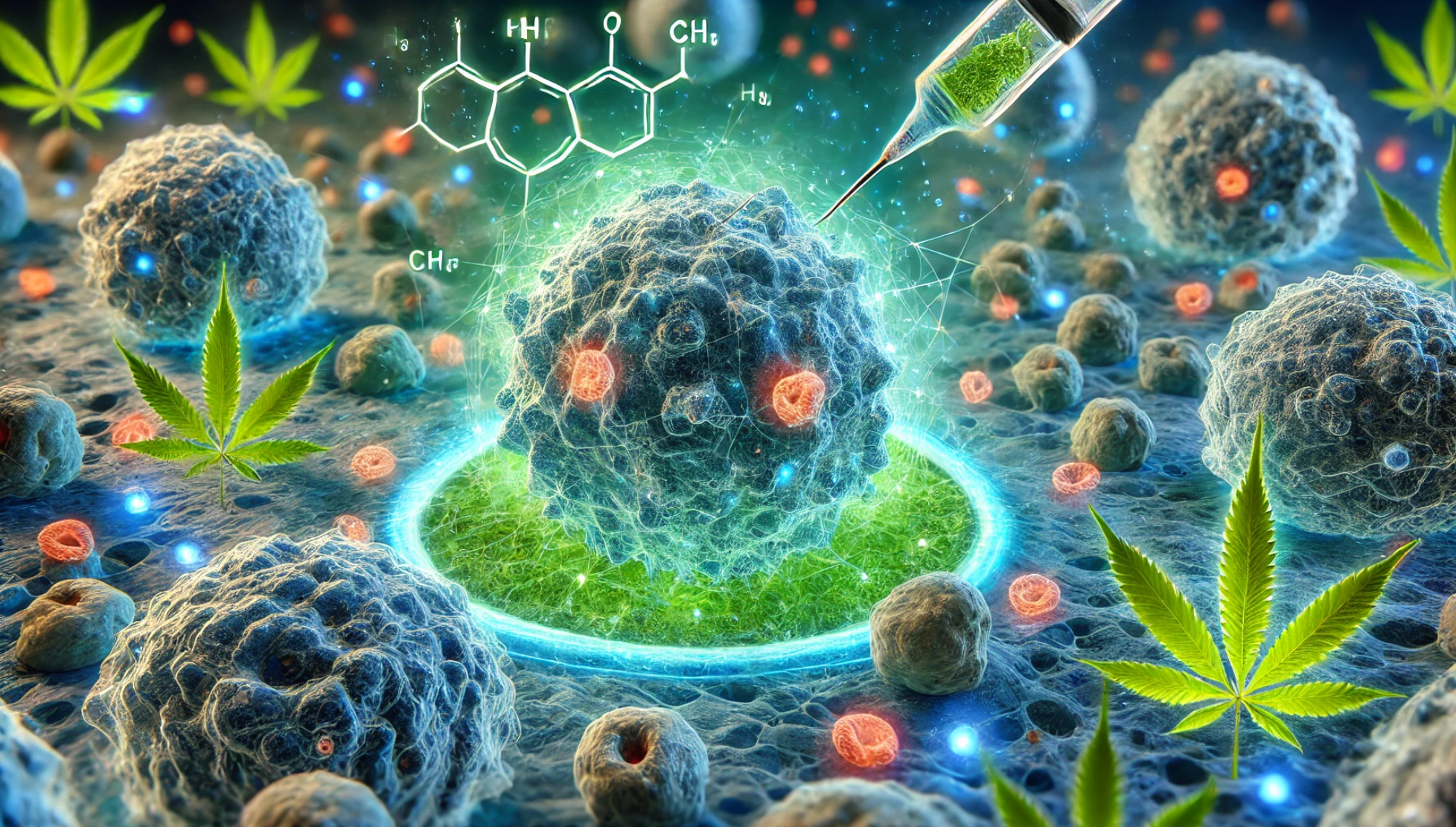
Cannabinoids, the star players in cannabis, include big names like THC (tetrahydrocannabinol) and CBD (cannabidiol). These compounds link up with the body’s endocannabinoid system, which handles stuff like pain, mood, and immune responses. This hookup has caught the attention of researchers who reckon cannabinoids might have some sway over cancer cells.
The effects of cannabinoids on cancer cells aren’t straightforward—they can change depending on the type of cancer and the specific cannabinoid in play. Early doors research hints that cannabinoids might get in the way of cancer cells by slowing down their growth, making them self-destruct, and stopping them from spreading around the body (aka metastasis).
Slowing Down Cancer Cell Growth
One of the most hopeful angles in cannabis cancer research is how cannabinoids might put the brakes on the growth and spread of cancer cells. Some studies have shown that cannabinoids can mess with the signals that tell cells to divide, slowing or even stopping the runaway growth of cancer cells. For example, studies on glioblastoma—a nasty type of brain cancer—suggest that cannabinoids might shrink tumour cells without harming the healthy ones nearby.
Making Cancer Cells Self-Destruct
Apoptosis, or programmed cell death, is the body’s way of binning off damaged or unneeded cells. In many cancers, this process goes out the window, letting cancer cells dodge the bullet and keep multiplying. But research has shown that certain cannabinoids can trigger apoptosis in cancer cells. For instance, THC has been spotted making leukaemia cells pack it in, while CBD has done a number on breast cancer cells. These findings suggest cannabinoids might be handy in getting rid of cancerous cells.
Stopping Cancer from Spreading
Metastasis—the spread of cancer from one part of the body to another—is one of the biggest headaches in cancer treatment. Cannabinoids have been shown to potentially put the brakes on this process too. Research has found that cannabinoids can lower the levels of proteins that help cancer cells move and invade other areas. In one big study, cannabinoids cut down the spread of breast cancer cells in animal models. This could mean keeping cancer contained and easier to manage.
The Bigger Picture in Cannabis Cancer Research
While the early signs on how cannabinoids mess with cancer cells are promising, we’re still in the early days. Most of the research so far has been done in labs or on animals, and there’s a big need for clinical trials to really nail down how cannabinoids could be used in treating cancer in humans.
Even so, the body of research so far is laying the groundwork for future studies. It’s also opening up chat about how cannabis-based treatments might slot into the usual cancer treatment game plan. As we get a better grip on how cannabinoids and cancer cells interact, it could lead to new treatment approaches that work alongside the big guns like chemo and radiation.
Wrapping It Up: A Promising Path Ahead
Looking into how cannabinoids affect cancer cells is a fast-moving area of study with loads of potential for the future of cancer treatment. We’re still just scratching the surface of what these effects might be, but so far, it’s looking like cannabinoids could play a part in slowing down cancer growth, making cancer cells self-destruct, and stopping them from spreading.
As cannabis cancer research pushes forward, we’ll likely see more clinical studies popping up to test these early findings and look at how cannabinoids could be put to work in real-life cancer treatments. For now, the scientific world is cautiously optimistic, recognising both the potential upsides and the need for solid research to unlock the full power of cannabinoids in the fight against cancer.