

The Science Behind Cannabis and Cancer Treatment
The link between cannabis and cancer treatment has sparked considerable interest among medical researchers, leading to a multitude of studies investigating how this historic plant could potentially aid cancer patients. Below is an in-depth examination of the scientific principles related to cannabis and its prospective function in treating cancer:
- by Marijuanaseedbank
- 2 minutes
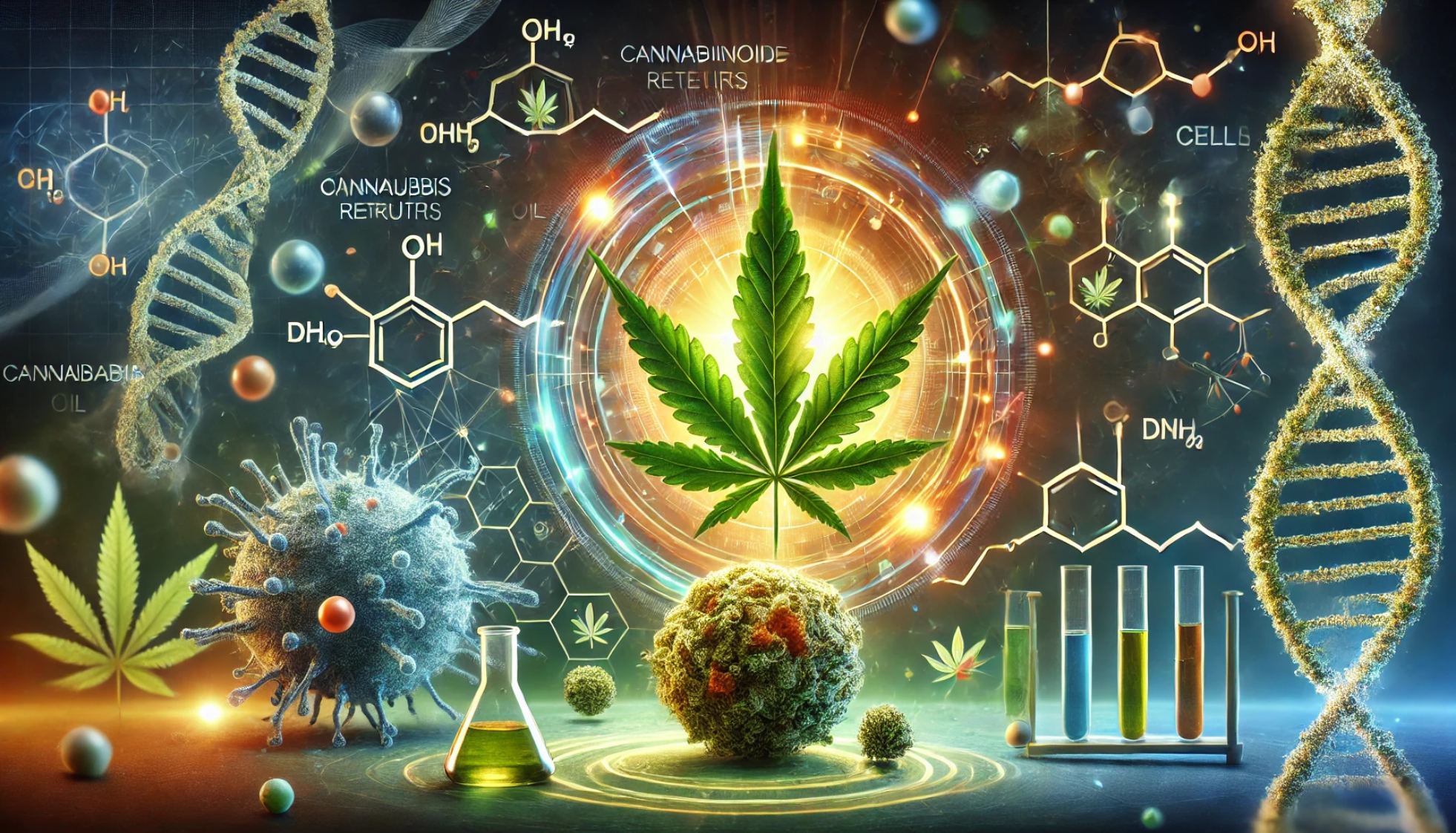
The link between cannabis and cancer treatment has sparked considerable interest among medical researchers, leading to a multitude of studies investigating how this historic plant could potentially aid cancer patients. Below is an in-depth examination of the scientific principles related to cannabis and its prospective function in treating cancer:
Cannabinoids and Cancer Cells
Cannabis comprises various cannabinoids, with THC (tetrahydrocannabinol) and CBD (cannabidiol) being the most extensively researched. Studies indicate that these cannabinoids interact with the body’s endocannabinoid system, crucial for regulating stability in various physiological processes including mood, pain, and appetite. Research suggests that cannabinoids may produce anti-cancer effects by promoting cell death, hindering cell growth, and obstructing the formation of blood vessels that tumors need to thrive.
Apoptosis Induction
A primary way in which THC and other cannabinoids influence cancer cells is through apoptosis, or programmed cell death. Cancer cells typically evade this natural process, enabling them to proliferate unchecked. Studies have demonstrated that cannabinoids can initiate apoptosis in several types of cancer cell lines, such as those from breast, lung, and brain cancers.
Anti-proliferative Properties
Cannabinoids are known to possess anti-proliferative characteristics, which means they can prevent the reproduction of cancer cells. Research in labs has shown that cannabinoids can slow the growth of cancer cells and in some instances, completely stop the progression of the disease.
Inhibition of Angiogenesis
Angiogenesis, the development of new blood vessels from existing ones, is essential for tumor growth. Research has shown that cannabinoids can inhibit this process, effectively cutting off the supply of nutrients and oxygen that tumors require to expand.
Management of Pain and Other Symptoms
Apart from their potential anti-cancer properties, cannabinoids are recognized for their capability to manage symptoms related to cancer and its treatments, like chemotherapy. Cannabis is particularly effective in alleviating chronic pain and nausea, frequent concerns for cancer patients. Furthermore, it can stimulate appetite and help combat weight loss in patients undergoing chemotherapy.
Synergistic Effects with Chemotherapy
Recent studies suggest that when combined with conventional cancer treatments such as chemotherapy, cannabinoids may boost the effectiveness of these treatments. Evidence shows that integrating THC and CBD with chemotherapy medications can enhance overall efficacy, potentially allowing for reduced doses of chemotherapy drugs and minimizing side effects.
Improving Patient Quality of Life
Many oncologists and medical researchers concur that the advantages of cannabis in cancer treatment go beyond just combating tumors, significantly enhancing patient quality of life. By alleviating symptoms like pain and nausea, cannabis enables patients to maintain better appetite, sleep more soundly, and suffer less anxiety.
Research Challenges and Prospects
Although preclinical trials and some clinical studies have yielded promising outcomes, research into cannabis and cancer remains nascent. To date, most studies have been small-scale or conducted in laboratories, and comprehensive clinical trials are essential to fully ascertain the capabilities and constraints of cannabis in cancer treatment.
The science exploring cannabis as a cancer treatment is complex and continually evolving. It is crucial for both the medical community and patients to keep abreast of the latest research and guidelines as the understanding of how cannabinoids affect cancer cells and symptoms deepens. With ongoing research, the role of cannabis in cancer care is progressively refined, offering hope for therapeutic strategies that enhance both efficacy and quality of life.