
Whole Flower Medicinal Cannabis: Nature's Complete Therapeutic Package
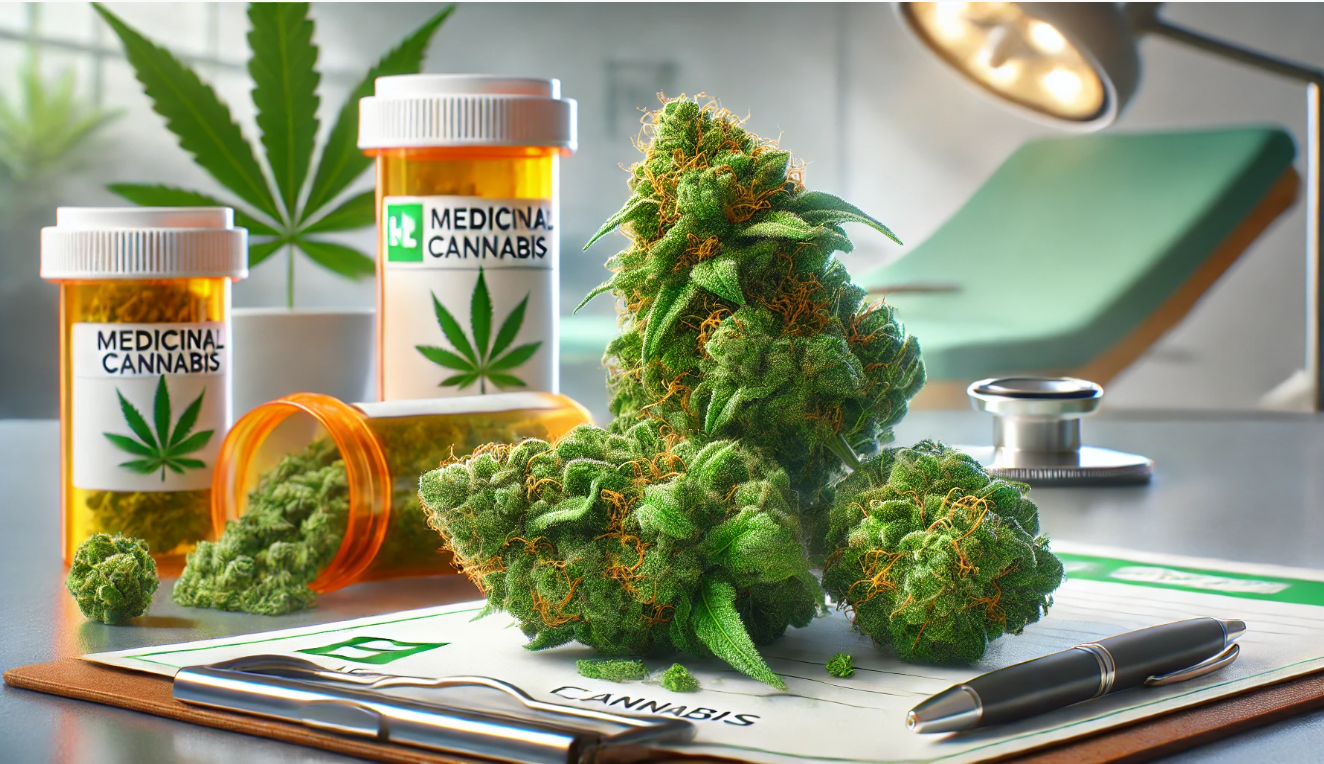
Whole flower cannabis represents the most traditional and comprehensive form of cannabis therapy. Unlike isolated compounds or processed derivatives, whole flower refers to the dried, cured buds of the cannabis plant used in their natural state. These flowers contain the complete spectrum of therapeutic compounds naturally produced by the plant.
The medicinal potential of whole flower cannabis stems from its complex chemical composition. While THC (tetrahydrocannabinol) and CBD (cannabidiol) receive the most attention, cannabis contains over 100 different cannabinoids and more than 200 terpenes. Each strain possesses a unique chemical profile that produces distinct therapeutic effects, making whole flower options remarkably versatile for addressing various medical conditions.
Therapeutic Applications and Advantages
Patients worldwide use whole flowers of marijuana to address numerous health challenges. Common applications include chronic pain management, nausea and appetite stimulation (particularly during chemotherapy), muscle spasticity in multiple sclerosis, and symptom relief for conditions like fibromyalgia, PTSD, and epilepsy. The preservation of all plant compounds often provides superior relief compared to isolated cannabinoids for many patients.
The preservation of terpenes—aromatic compounds that give cannabis its distinctive smell—represents a significant advantage of whole flower medicine. Terpenes like myrcene, limonene, and pinene contribute meaningfully to therapeutic outcomes by influencing how cannabinoids interact with the body’s endocannabinoid system. They may enhance absorption, affect the blood-brain barrier permeability, and contribute their own anti-inflammatory or anxiolytic properties.
Another advantage lies in the relatively unprocessed nature of whole flower cannabis. With minimal processing comes reduced opportunity for contamination or adulteration with harmful additives that have been associated with some cannabis product categories. Additionally, whole flower allows patients flexibility in administration methods, from traditional smoking to vaporization or incorporation into homemade edibles and tinctures.
Consumption Methods and Considerations
Vaporization has emerged as a preferred method for administering whole flower cannabis. Unlike combustion (smoking), vaporization heats the flower to temperatures that release active compounds without burning plant material, reducing respiratory irritants. Modern vaporizers offer temperature control that allows targeting specific cannabinoids and terpenes that activate at different heat levels.
Accessing whole flower medicinal cannabis varies dramatically by location. In regions with comprehensive medical cannabis programs, patients can obtain precisely tested products with detailed chemical analysis, while in more restrictive areas, access may be limited to low-THC varieties or completely prohibited.
The Future of Whole Flower Medicine
As cannabis research advances, the medical community’s understanding of whole flower applications continues to evolve. Emerging research suggests that minor cannabinoids like CBG, CBC, and THCV may offer unique therapeutic benefits for conditions ranging from metabolic disorders to neurodegenerative diseases. Whole flower medicine preserves these compounds in their natural ratios and relationships, potentially offering benefits still being discovered.
The growing legitimization of cannabis as medicine has driven improvements in cultivation standards, testing requirements, and product consistency—addressing historical concerns about whole flower variability. Modern medical cannabis producers increasingly focus on standardization through genetic selection and controlled growing environments, allowing for more predictable therapeutic outcomes from whole flower medicine.