
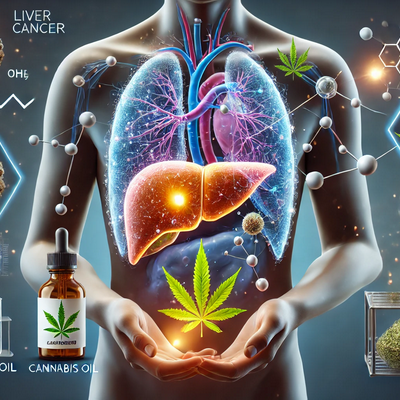
Cannabis Oil for Liver Cancer Treatment
Liver cancer, a major health concern globally, often requires aggressive treatment strategies. Recently, the potential of cannabis oil for therapy has gained interest among researchers and medical professionals due to its promising therapeutic properties.
- by Marijuanaseedbank
- 3 minutes

Understanding Liver Cancer
Liver cancer presents primarily as hepatocellular carcinoma and intrahepatic cholangiocarcinoma. These cancers demand a multifaceted approach to treatment, traditionally relying on surgery, chemotherapy, radiation, and targeted therapy. However, the search for less invasive and more effective treatments continues, with cannabis oil liver cancer treatments showing promise in early research.
Cannabis Oil and Its Components
Cannabis oil contains THC (tetrahydrocannabinol) and CBD (cannabidiol), which interact with the body’s endocannabinoid system. This interaction could play a role in regulating cell growth and immune response — key areas in cancer management. The potential anti-inflammatory, anti-proliferative, and pro-apoptotic effects of these cannabinoids suggest a mechanism through which cannabis oil may influence cancer cell behaviors, making it a candidate for complementary therapy in cancer care.
Preclinical studies have shown that cannabinoids can inhibit the growth of liver cancer cells and induce apoptosis. This research indicates that cannabis oil could potentially slow the progression of the disease. Although clinical studies are in their nascent stages, preliminary data suggests that cannabinoids might play a beneficial role in cancer treatment.
Benefits of Cannabis Oil therapy
The use of cannabinoids in cancer treatment might help not only in inhibiting tumor growth but also in managing symptoms associated with cancer and its treatments. Cannabis oil’s role in inducing apoptosis in cancer cells offers a pathway to potentially limit the growth and spread of cancer cells. Moreover, the ability of cannabis oil to alleviate symptoms like pain and nausea could improve the quality of life for patients undergoing conventional cancer treatments.
Patient Experiences and Case Studies
Anecdotal evidence suggests that patients using cannabis oil experience notable relief from cancer-related symptoms. These reports underline the potential benefits of incorporating cannabis oil into cancer care, particularly for symptom management and quality of life enhancement.
Application Methods and Dosage
Cannabis oil can be administered orally or sublingually to ensure effective absorption. Dosage varies significantly based on the patient’s condition and the stage of cancer, underlining the importance of professional guidance from healthcare providers to optimize treatment efficacy and minimize any adverse effects.
Challenges and Limitations
While the initial findings are promising, the current understanding of how cannabis oil impacts liver cancer remains limited. The body of research, primarily from preclinical studies, needs expansion through more comprehensive clinical trials to confirm these findings and establish detailed therapeutic protocols, including dosages and methods of delivery.
Future Directions in Research
Continued research is crucial to validate the efficacy and safety of cannabis oil in treating liver cancer. Future studies are expected to focus on clinical trials that can provide robust data supporting the use of cannabis oil alongside conventional treatments. Researchers are also exploring how combining cannabinoids with existing cancer therapies could potentially enhance therapeutic outcomes.
The use of cannabis oil in the treatment of liver cancer holds considerable promise. It represents a potential supplementary therapy that could work alongside or in some cases, mitigate the side effects of conventional treatments. As research progresses, cannabis oil could become a part of integrated cancer treatment plans, offering a natural alternative to manage both the disease and its symptoms.
This exploration into the integration of cannabis oil into liver cancer treatment regimens offers hope and highlights the importance of ongoing research in leveraging cannabinoids for cancer care.