
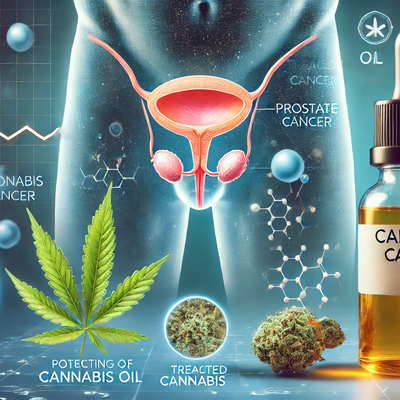
Cannabis Oil for Prostate Cancer Treatment
Prostate cancer is one of the most common types of cancer among men, with significant impacts on health globally. In recent years, the potential use of cannabis for prostate cancer has captured the attention of both the medical community and those affected by the disease. This interest is driven by emerging research suggesting that components in cannabis oil may offer therapeutic benefits for cancer patients.
- by Marijuanaseedbank
- 3 minutes

Cannabis Oil and Its Components
Cannabis oil contains cannabinoids like THC (tetrahydrocannabinol) and CBD (cannabidiol), which are compounds known to interact with the body’s endocannabinoid system. This system plays a critical role in regulating bodily functions including cell growth and immune response, which are pertinent to cancer treatment. The interaction between cannabinoids and the endocannabinoid system suggests a mechanism through which cannabis oil may influence cancer cell behaviors.
The scientific exploration into cannabis oil prostate cancer treatments has produced promising results. Preliminary studies have shown that cannabinoids can inhibit tumor growth, induce cell death (apoptosis), and prevent the proliferation of cancer cells in prostate cancer models. This research indicates that prostate cancer cannabis oil treatments might offer a novel approach to slowing the progression of the disease.
Patient Testimonials and Case Studies
Anecdotal evidence from patients who have utilized cannabis oil for cancer therapy has been overwhelmingly positive. Many report significant improvements in their quality of life, including reduced symptoms and better management of cancer-related pain and nausea. These testimonials underscore the potential benefits of cannabis oil as a complementary therapy in cancer care.
Application Methods and Dosage
The administration of cannabis oil can vary, with oral ingestion and topical application being the most common methods used by prostate cancer patients. The correct dosage can vary significantly between individuals, depending on factors such as the stage of cancer and individual tolerance to cannabinoids. Therefore, it is crucial to consult healthcare professionals to determine the most appropriate regimen.
Challenges and Limitations
Despite promising research, there are significant challenges and limitations in the current understanding of cannabis oil for cancer. The lack of large-scale clinical trials means that much of the evidence remains anecdotal or derived from preclinical studies. This gap in data calls for more rigorous scientific research to fully validate the efficacy and safety of cannabis oil as a treatment option.
Future Directions in Research
Future research on cannabis oil for cancer is crucial. Upcoming studies are expected to focus on clinical trials that can provide robust data on efficacy, safety, and optimal dosages. There is also a growing interest in exploring how cannabinoids can be integrated with conventional cancer treatments like chemotherapy and radiation to enhance therapeutic outcomes.
While the use of cannabis for prostate cancer shows considerable promise, it is essential for ongoing research to address the current gaps in knowledge. For patients and physicians, staying informed about the latest developments and maintaining a cautious approach to integrating cannabis oil into treatment plans is advised. As research progresses, it is hoped that clearer, evidence-based guidelines for the use of cannabis oil in prostate cancer treatment will emerge.