
Cannabis Oil for Lung Cancer Treatment
Lung cancer remains one of the most challenging medical conditions to treat, often requiring invasive procedures and harsh medications. Recently, the potential use of cannabis oil has sparked significant interest among researchers and patients, as they seek gentler, alternative therapies.
- by Marijuanaseedbank
- 3 minutes
Understanding Lung Cancer
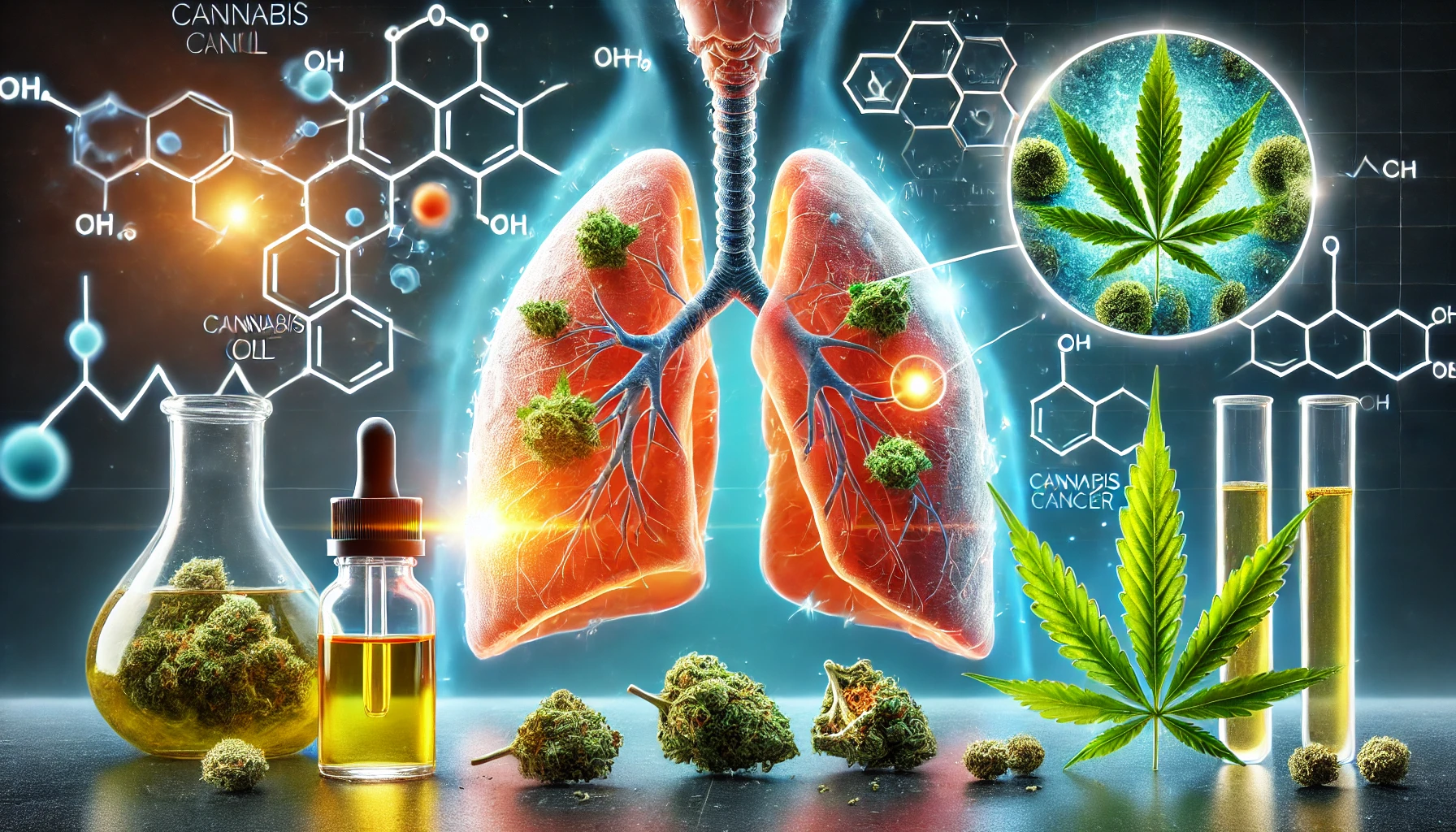
Lung cancer manifests in two primary forms: Non-small cell lung cancer (NSCLC) and Small cell lung cancer (SCLC), each necessitating different treatment strategies. Traditional treatments typically include surgery, chemotherapy, radiation, and immunotherapy, each with its own set of side effects and varying efficacy rates. As researchers explore more effective and less invasive treatments, the potential role of cannabis oil in therapeutic regimens has become a major focus.
Cannabis Oil and Its Potential Benefits
The active compounds in cannabis oil, mainly THC (tetrahydrocannabinol) and CBD (cannabidiol), interact with the body’s endocannabinoid system, believed to regulate a variety of physiological processes such as pain sensation, immune response, and cell growth. Preliminary studies suggest that cannabis oil may induce apoptosis (programmed cell death) in cancer cells without harming surrounding healthy tissue, presenting a potential breakthrough for cancer therapy. This is particularly significant for those considering cancer cannabis oil treatments.
Research on Lung Cancer and Cannabis Oil
Significant preclinical studies have examined the effects of cannabinoids on animal and cell culture models, showing promising results in slowing tumor growth and reducing metastasis. However, clinical studies involving actual lung cancer patients are still in the early stages. Anecdotal evidence from patients who have used cannabis oil for lung therapy suggests some have experienced improvements in symptoms and quality of life, but these outcomes need to be approached with caution and scientifically validated.
Application Methods for Cannabis Oil in Lung Cancer Treatment
The method of administering cannabis oil can significantly affect its efficacy. Inhalation might seem intuitive for lung-related conditions, but it can irritate the lungs. Instead, ingestion through oral applications is preferred to avoid potential respiratory complications. Determining the correct dosage is critical and should be done under the guidance of a healthcare professional to maximize benefits and minimize risks associated with cannabis oil lung cancer treatments.
Future Directions and Research
There are considerable gaps in the current understanding of how cannabis oil impacts lung cancer. More robust clinical trials are necessary to establish clear therapeutic protocols, including dosages, delivery methods, and long-term effects. Research is also needed to identify which compounds in cannabis oil are most effective and how they interact with conventional cancer treatments. This ongoing research is vital for solidifying the role of lung cancer cannabis oil in future treatment paradigms.
While the use of cannabis for lung cancer presents a compelling avenue for future treatment options, it is essential to proceed with caution. Patients interested in exploring cannabis oil as a treatment option should consult with their oncologist and not forego conventional treatment modalities. As research progresses, it is hoped that clearer, evidence-based guidelines on the use of cannabis oil in lung cancer treatment will emerge, offering new hope and options for patients worldwide.